The Origin
For the Industry
That Raised Me
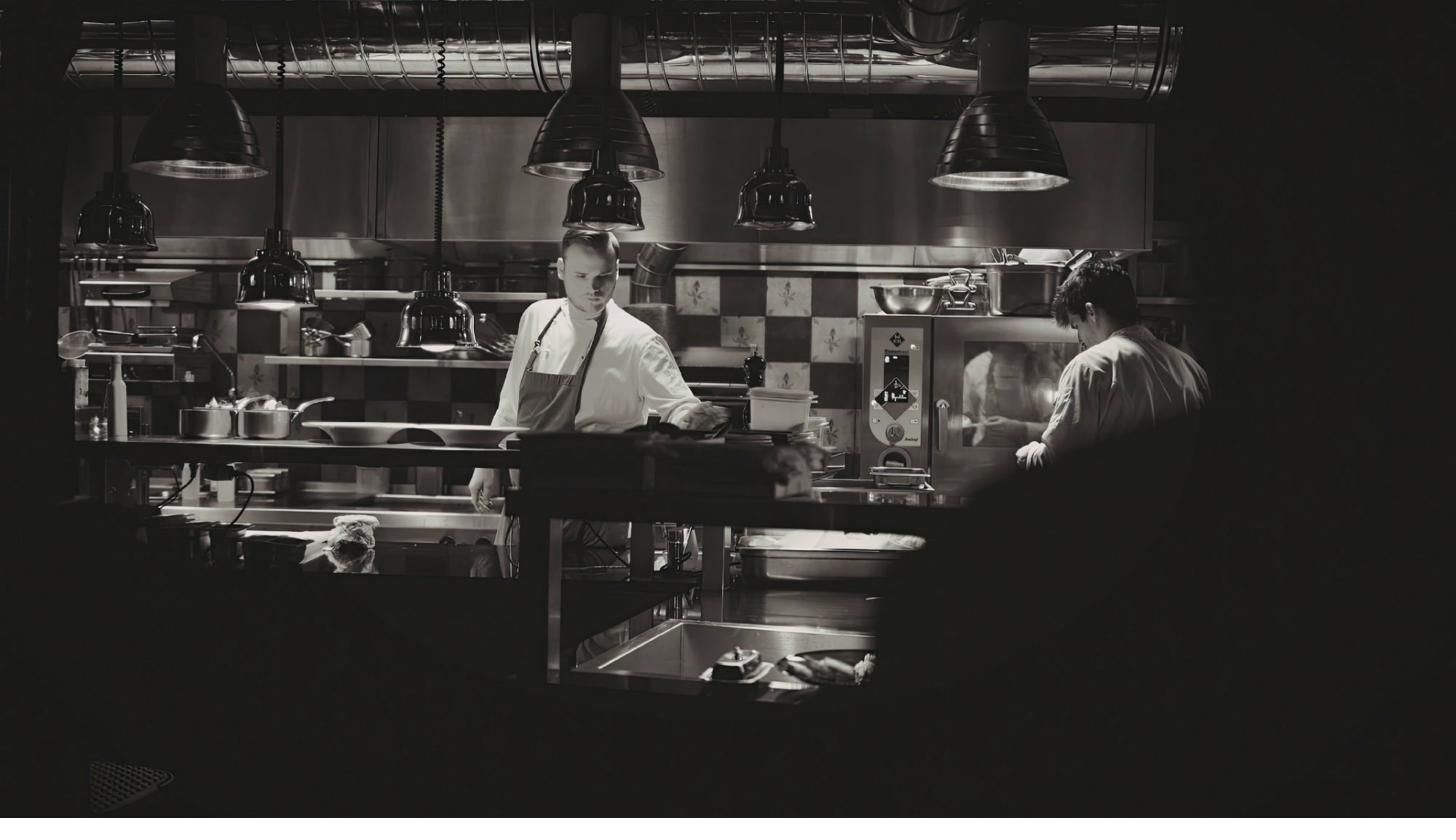
I entered the restaurant industry, like many, not planning to but needing to.
The Origin
I entered the restaurant industry, like many, not planning to but needing to.
At the time, my life was unraveling quietly: school, motherhood, isolation, promises that disappeared the moment they were inconvenient. I was tired in a way sleep does not fix. I needed work that paid fast, demanded focus, and did not require me to explain myself.
Restaurants did not ask hard questions. They asked if I could show up.
I thought it would be temporary. A way to get through a hard chapter. But the longer I stayed, the more I realized something important. Restaurants are not just a place people land when they have nowhere else to go. They are a place people can be rebuilt.
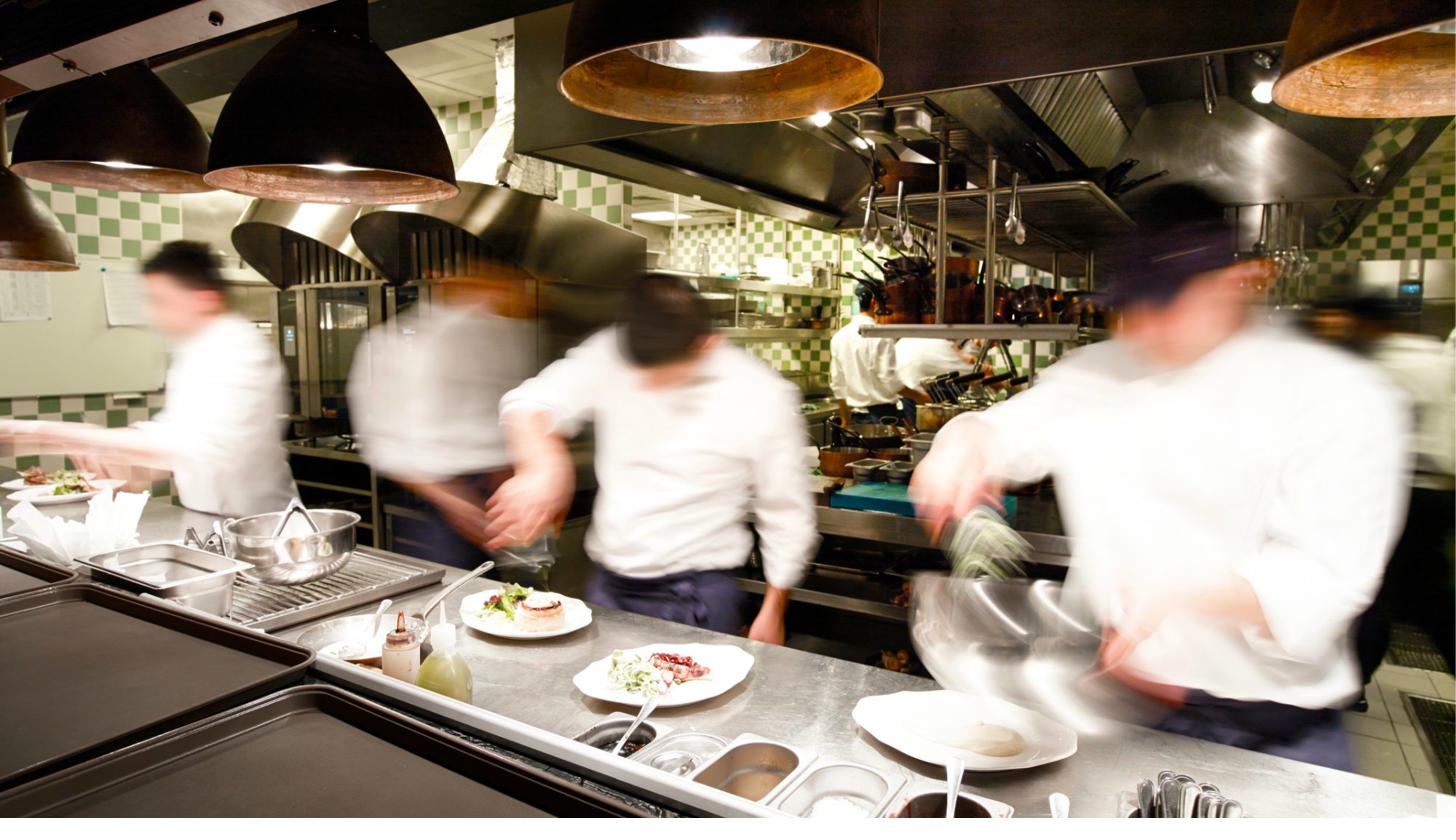
The first thing you learn is that effort is visible. You cannot fake it. You cannot hide behind a title. You either pull your weight or you do not. It is exhausting. It is fair.
Kitchens are not gentle places. Chefs carry strong personalities. Some are hard won, some are still forming, all shaped by pressure and responsibility. Tempers flare. Silence can cut sharper than yelling. But the best kitchens never confuse intensity with leadership. The best chefs put their strongest people where it matters most and let the work speak for itself.
Restaurants taught me rhythm. Prep before panic. Clean as you go. Think two steps ahead or fall behind fast.
They taught me how to move with other people toward a single goal without needing credit. How to cover someone else's mistake without announcing it. How to keep going when you are tired because the team needs you.
They also taught me who people really are.
I was fed before I had to ask.
I was protected when I did not know I needed it.
I was trusted before I trusted myself.
Restaurants do not care where you come from, your immigration status, who you love, how much money you have, or how many times you have failed. They care if you can keep up. If you can, you belong.
That kind of belonging changes you.
The restaurant industry sells one of life's simplest pleasures, and that privilege is not lost on those who work within it.
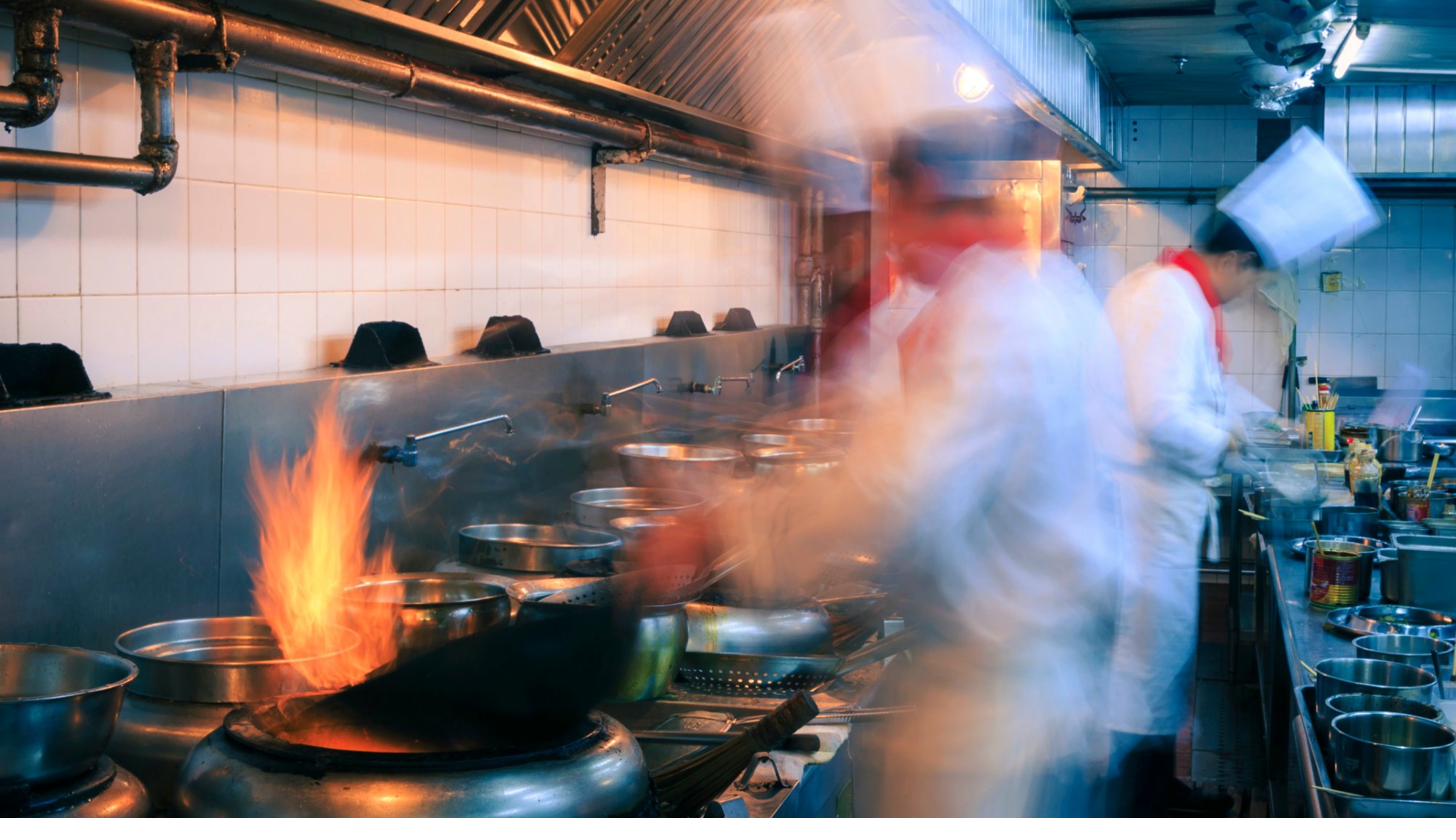
I can still see it clearly. The sizzling of oil. The rhythmic chop of knives. Fragrant steam rising from pans. Butter everywhere. Watching line cooks and chefs transform raw ingredients into something extraordinary felt almost reverent. Sometimes, if they had the time and patience, they would pause to explain their craft, sharing their expertise with a generosity I had not earned but deeply appreciated.
Whether servers truly warranted that patience or the impatience is a story for another time. If you think the question is divisive, your answer likely reveals everything about which side of the kitchen pass you claimed.
Beyond the debates and divides, there was always the food. A grounding force in the chaos. Food brought us together, steadied the room, and gave meaning to the work when everything else felt loud.
But even the beauty of creation couldn't soften the toll the industry sometimes exacted.
The same world that served as a hospital for me, a place of renewal and recovery, became a hospice for others. It gives everything you seek, but it doesn't distinguish between what heals and what destroys. For those seeking escape, it offers countless avenues before, during, and after the shift.
I don't know if any of us ever truly got to choose whether it would heal us or break us. What I do know is that the friends I lost were not weak. They were just as strong, just as determined as anyone else in this world built on resilience. The same world that helped me shed the weight of my pain couldn't lift theirs.
That reality stays with me. Not as a conclusion, but as a lens.
Now, when decisions are made, I think about who will feel them downstream. I know who that is, and I know they are already carrying enough.
I no longer work on the floor, but restaurants continue to shape how I think about work, responsibility, and consequence.
Every system I build, every decision I push on, every inefficiency I refuse to accept is guided by remembering who feels the consequences first. The people on their feet all day. The people whose margins are measured in minutes and mistakes. The people who do not have the luxury of distance from the decisions being made.
Restaurants raised me to respect labor. To value preparation. To understand that wasted motion costs real energy.
They taught me that clarity is kindness. That good systems protect people. That when something breaks, it breaks downstream first, where the hours are longest and the room for error is smallest.
That is why I do what I do now.
I push for better because I know what better feels like in the body. I know how much smoother a day can be when someone thought ahead, asked the harder question, or fixed what everyone else worked around.
Restaurants gave me more than a job.
They gave me a standard.
They taught me that showing up prepared is a form of care,
and that work done well is a kind of respect.
Once the industry raises you,
it never really lets you go.